

The New Era of SEO in 2026
Search in 2026 has evolved far beyond simple keyword targeting. While Google continues to dominate with close to 90% of the global search engine market share, user behaviour now spans a complex network of discovery points across platforms. People no longer follow a single path to information — they compare, explore, and validate through multiple touchpoints.
TikTok has become a preferred platform for discovering brands, YouTube for research, Amazon for product reviews, and AI assistants like ChatGPT for fast answers. This new search landscape is not defined by one search box but by moments of influence that shape user decisions.
For businesses, this transformation requires a shift from traditional keyword-focused SEO to strategy-driven optimisation. The future belongs to brands that understand how to be seen, trusted, and chosen across every digital platform. It’s no longer just about ranking higher; it’s about being the best answer in every environment.
Beyond Google: The Rise of Multi-Platform Search
Google remains a major player, but discovery has become decentralised. Users now consume information across platforms that act as their own mini search engines. TikTok drives trend discovery, Reddit fosters community discussions, YouTube builds authority through video, and Amazon dominates purchase-driven searches. Each platform influences a different stage of the buyer’s journey.
Consider this: 74% of consumers use multiple platforms before making a purchase. A typical customer might watch a review video, check Reddit opinions, and consult an AI assistant before making a decision. Businesses that adapt to this cross-platform journey can multiply their visibility and trust. Relying solely on Google rankings limits exposure and risks missing out on critical buyer touchpoints. True SEO success in 2026 means being visible wherever decisions happen.
Search-Everywhere Optimisation
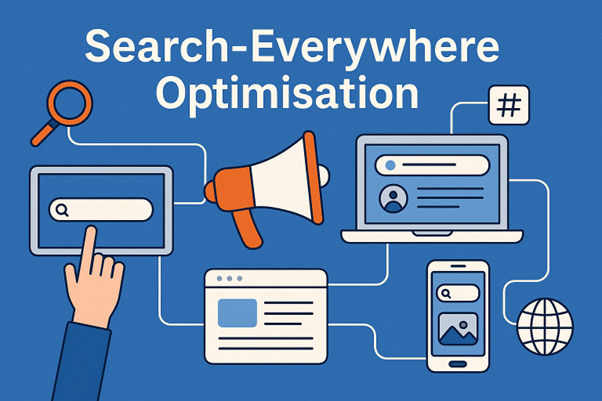
Search-Everywhere Optimisation (SEO+) expands traditional SEO into a broader, strategic discipline. It focuses on visibility across all environments where users search, compare, and decide — not just search engines. The goal is to meet users in the right context, at the right time.
To implement this approach effectively:
- Identify where your audience validates information (TikTok, Reddit, Google, or AI assistants).
- Develop content tailored to each platform’s intent and tone.
- Measure engagement and adjust strategies based on audience behaviour.
Instead of posting content everywhere, smart marketers prioritise the few platforms that influence the most meaningful decisions. A strong, focused presence on two or three channels consistently outperforms scattered activity across many.
AI-Driven Search and LLM Visibility
Artificial Intelligence has reshaped how search works. Tools like ChatGPT, Gemini, and Perplexity summarise data instead of listing links, prioritising clarity and factual authority. To appear in these AI overviews, content must be accurate, semantically structured, and consistently updated.
AI search models assess:
- Data quality and factual accuracy.
- Content structure (clear headings, bullet points, and schema markup).
- Author credibility and source transparency.
Building topic clusters is one of the most effective techniques. Interlink related pages to demonstrate expertise within a niche. This helps AI systems understand context and connect your site to authoritative information. Maintaining credibility through citations, expert commentary, and original insights strengthens the likelihood of AI recognition.
Human-Centric, Solution-Focused Content
In 2026, algorithms favour content that genuinely helps users. The days of stuffing pages with keywords are over. Search systems now analyse engagement signals — how long readers stay, how much they interact, and whether they find solutions.
To create content that performs:
- Write with intent. Every article should solve a specific user problem.
- Prioritise clarity and simplicity. AI models and humans both value readability.
- Use real-world examples, case studies, and step-by-step guides to build credibility.
Google’s E-E-A-T principles (Experience, Expertise, Authority, Trust) still define quality standards. Demonstrate your experience, back claims with facts, and showcase expertise through unique data or professional insights. The brands that earn trust will dominate search visibility, no matter the platform.
Local and Niche SEO Advantages
Local SEO continues to be a powerful driver of conversions, especially for service-based businesses. Consumers searching locally tend to have high purchase intent — whether booking a plumber, choosing a restaurant, or visiting a clinic. With Google Business Profiles now integrated into AI-powered results, maintaining accuracy and engagement on these listings is more critical than ever.
Key steps for local SEO success:
- Optimise your Google Business Profile with updated hours, services, and photos.
- Encourage verified customer reviews and respond to feedback.
- Create hyper-local content — articles that reference nearby events or community projects.
Authenticity and proximity have become ranking signals. A small, trusted business with strong local engagement can now outrank large competitors in nearby searches. Similarly, niche SEO is thriving. Specialised topics attract smaller but highly committed audiences, improving both engagement and authority.
Authority, Trust, and Brand Sentiment
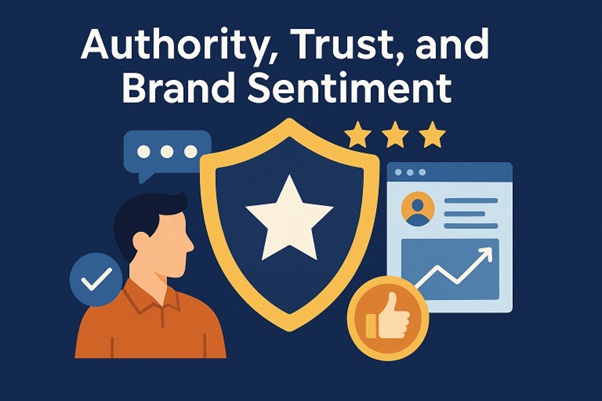
Search engines and AI-driven systems now measure credibility through a network of signals — including reviews, backlinks, mentions, and engagement rates. Authority is no longer built solely on backlinks; it’s earned through reputation and transparency.
A brand’s online reputation influences how both humans and algorithms perceive trustworthiness. Encourage authentic feedback and maintain consistent communication with your audience. Responding to customer comments on social media and community forums fosters transparency. Meanwhile, consolidating duplicate or outdated pages ensures that your site projects a single, authoritative voice.
To build lasting authority:
- Keep data accurate and up to date.
- Encourage thought leadership through articles and interviews.
- Audit your brand sentiment across platforms quarterly.
Positive perception directly improves visibility across both traditional and AI-driven search environments.
The New SEO Framework for 2026
The R.I.C.E. framework — Reach, Impact, Confidence, Ease — offers a smart way to prioritise SEO initiatives.
- Reach: Identify which platforms have the largest share of your audience.
- Impact: Evaluate how improvements will affect engagement or revenue.
- Confidence: Assess your ability to achieve measurable success.
- Ease: Determine how practical the changes are to implement.
Use this system to focus resources where you’ll see tangible ROI. For example, optimising your Google Business listing or improving mobile site speed may provide higher returns than creating content for every platform. Combining data from AI analytics, user behaviour, and local trends enables smarter, more adaptive SEO planning.
Conclusion
SEO in 2026 is far more complex and dynamic than ever before. It’s no longer a race to dominate Google’s first page; it’s a long-term strategy centred on visibility, trust, and value across multiple digital touchpoints. The lines between traditional search, social media, and AI-driven discovery continue to blur, creating a unified ecosystem where credibility determines success. Brands that thrive in this environment are those that prioritise user experience, invest in authoritative content, and maintain transparency across every channel.
The key to success is balance, using AI for data-driven insights while keeping a human touch that builds real relationships with audiences. SEO in 2026 demands ongoing adaptation: staying informed about algorithm updates, leveraging local and niche opportunities, and optimising content for both AI summaries and user engagement. Companies that evolve from simply “ranking” to “resonating” will remain relevant as search becomes more conversational and context-driven.
Ultimately, the future of SEO is about connection, not competition. Brands must prove expertise, nurture community trust, and deliver authentic value at every digital moment. Those who integrate technology with empathy will not only be found — they’ll be chosen and remembered.
FAQs
SEO in 2026 is shaped by AI-driven search, multi-platform visibility, and trust-based content. Brands are now optimising for platforms like TikTok, Reddit, and ChatGPT instead of relying solely on Google. Helpful, human-focused content and strong credibility are key to ranking well.
Yes — SEO is evolving, not fading. The focus has shifted from keyword tactics to building authority, trust, and user-first experiences. As AI search grows, businesses that adapt their strategies will continue to see strong results.
AI now summarises content instead of listing links, rewarding clarity, structure, and accuracy. Websites that maintain factual, well-organised, and regularly updated content are more likely to appear in AI-driven search results.
It’s a modern SEO approach that ensures your brand is visible across all decision-making platforms — not just Google. The goal is strategic presence where your audience searches, validates, and decides.
Focus on authentic, helpful content, manage online reviews, and stay active where your customers are. Combine AI insights with a human touch to stay visible and trusted across every platform.


